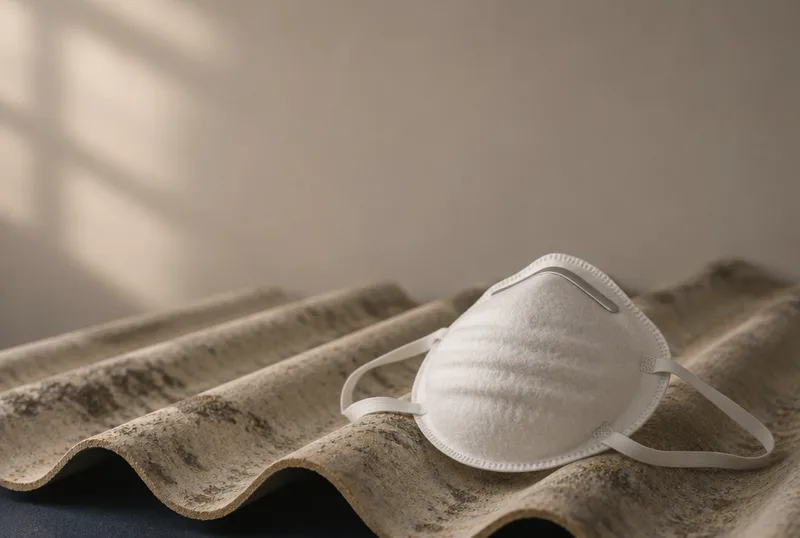
Airborne contaminants and the new workplace exposure limits
What dusts, fumes, gases, vapours and mists do, how TWA, STEL and peak limits work, what changes when the workplace exposure limits replace the exposure standards on 01/12/2026, and the duties on air monitoring, health monitoring, controls and respiratory protection, with state transition rules.
- Written to
- Model WHS Regulations
- Length
- 1 hour
- Last reviewed
- 25/11/2026
- For
- Construction, Transport and logistics and more
Online and self-paced, with a certificate of completion that shows the hours and the law covered. This is a non-accredited short course, not a nationally recognised qualification.
About this course
On 01/12/2026 Australia's workplace exposure standards become workplace exposure limits. Many numbers stay the same, but limits for common solvents, wood and grain dust, bitumen fumes, carbon monoxide and welding metals fall sharply, diesel particulate matter and flour dust get limits for the first time, and 33 genotoxic carcinogens lose their limit altogether. This course is for managers, supervisors and WHS staff in workplaces with dust, fumes, vapours or gases. It explains the five forms of airborne contaminant, how 8-hour TWA, STEL and peak limits work, what changed and why, and what happened to respirable crystalline silica and benzene. You will practise deciding when air monitoring is needed through a branching workshop story, learn the health monitoring steps, apply the hierarchy of controls and the basics of respirator fit, and plan what to do before and after the change date, with the different dates in Queensland, Victoria, NSW, WA and SA. It is general training with a certificate of completion, not accredited training or a qualification.
What you will learn
- Name the five forms of airborne contaminant and where each comes from at work Explain what a workplace exposure limit is, and what it does not tell you Tell an 8-hour TWA, a STEL and a peak limitation apart, and apply the rules for each
- Explain what the renaming to workplace exposure limits changes in law, and what it does not Recognise the kinds of change in the WEL list, with real examples of lowered and new limits Describe what happened to respirable crystalline silica, benzene and the other chemicals held back Find the transition arrangements that apply in your state or territory
- Explain the duty in regulation 49 and how it sits under the general duty to eliminate or minimise risk Decide when regulation 50 requires air monitoring, and what good monitoring looks like Describe when health monitoring is required and what the business must do with the results
- Apply the hierarchy of control measures to dusts, fumes, gases, vapours and mists Explain the basics of respiratory protection: selection, fit testing, fit checks and facial hair Plan what to do before and after 01/12/2026 in your own workplace
Course outline
Four lessons with workplace scenarios and practice activities, then a final check. Progress saves as you go, so you can stop and come back on any device.
- Airborne contaminants and how exposure limits workName the five forms of airborne contaminant and where each comes from at work Explain what a workplace exposure limit is, and what it does not tell you Tell an 8-hour TWA, a STEL and a peak limitation apart, and apply the rules for each
- What changes on 01/12/2026, and whyExplain what the renaming to workplace exposure limits changes in law, and what it does not Recognise the kinds of change in the WEL list, with real examples of lowered and new limits Describe what happened to respirable crystalline silica, benzene and the other chemicals held back Find the transition arrangements that apply in your state or territory
- The duties: the limit, air monitoring and health monitoringExplain the duty in regulation 49 and how it sits under the general duty to eliminate or minimise risk Decide when regulation 50 requires air monitoring, and what good monitoring looks like Describe when health monitoring is required and what the business must do with the results
- Controlling airborne hazards and getting through the changeApply the hierarchy of control measures to dusts, fumes, gases, vapours and mists Explain the basics of respiratory protection: selection, fit testing, fit checks and facial hair Plan what to do before and after 01/12/2026 in your own workplace
- Length
- 1 hour, self-paced
- Format
- Online lessons, scenarios and a final check
- Certificate
- Issued as soon as you pass, with the hours and the law covered
- Access
- 12 months, on phone, tablet or computer
- Updates
- Reviewed when the law changes; last reviewed 25/11/2026
What the law requires
Under the model WHS Regulations, a business must ensure no person at the workplace is exposed to an airborne contaminant above its exposure limit (regulation 49), on top of the general duty to eliminate or minimise risk so far as is reasonably practicable. From 01/12/2026 the limit is the one in Safe Work Australia's Workplace exposure limits for airborne contaminants, replacing the old exposure standards. Where the business is not certain on reasonable grounds that a limit is not exceeded, it must arrange air monitoring and keep the results for 30 years (regulation 50). Health monitoring is required for listed chemicals such as isocyanates and crystalline silica where there is a significant risk (regulations 368 to 378). Some states have later dates for particular substances.
General information, not legal advice. Written to Model WHS Regulations. Last reviewed 25/11/2026.
Questions about this course
When do the workplace exposure limits start?
The national WEL list replaces the workplace exposure standards on 01/12/2026. Queensland and Victoria have a transition to 01/12/2029 for 15 substances, NSW has interim limits for phosphine and diesel particulate matter until 30/06/2028, WA has deferred phosphine and diesel particulate matter, and SA has delayed four substances. The course sets out each one.
Did the silica exposure limit change on 01/12/2026?
No. A lower limit of 0.025 mg/m³ was proposed, but ministers did not agree it, so respirable crystalline silica stays at 0.05 mg/m³ as an 8-hour TWA. Benzene stays at 1 ppm until it falls to 0.2 ppm on 01/06/2027.
Do I need air monitoring when the limits change?
You must arrange air monitoring if you are not certain on reasonable grounds that exposure is under the limit, or if it is needed to find out whether there is a risk to health. The course explains how to judge that, what a competent person should do and what to do with the results.
Does this course teach me to do air monitoring?
No. It helps managers and supervisors understand the limits, know when monitoring is needed and act on the results. Monitoring itself should be designed and done by a competent person such as an occupational hygienist.
Is this an accredited course?
No. It is a non-accredited short course with a certificate of completion, not a nationally recognised qualification.
How do I train my whole team on this course?
Use team seats. Managers assign the course by role, get reminders before refreshers are due and download the training register for audits.
Related courses
Silica and engineered stone awareness
Written to WHS Regulations
Safety leadership for site supervisors
Written to WHS Act s27